
A residential roof replacement averages $17,631 in the U.S., and most homeowners spend between $5,000 and $20,000, with nearly 59% paying $10,000 or more. The final price depends on roof size, material, local labor, hidden damage, code requirements, and the contractor's scope of work.
If you're searching for roof replacement near me after spotting a water stain, missing shingle, or piles of granules in the gutter, you're probably trying to answer two questions quickly: do you need a full replacement, and how soon can the work begin? In Tyler and across East Texas, weather exposure, aging housing, storm damage, and rushed estimates can turn a straightforward project into an expensive surprise.
The practical answer is to inspect the roof before choosing materials or comparing prices. A detailed estimate should show what the contractor found, what the crew will remove and install, which code-related items are included, how insurance coordination will work, and what could change after tear-off.
Table of Contents
- When Your Roof Is Telling You It Is Time
- What Roof Replacement Actually Costs in 2026
- Asphalt Shingles, Metal, and Tile: Materials Compared
- How the Contractor Process Actually Unfolds
- Why Quote Transparency Changes Everything
- How to Choose a Licensed Local Roofing Contractor
- Your Next Steps Toward a Stress Free Replacement
When Your Roof Is Telling You It Is Time
A Tyler homeowner may notice a brown ceiling mark after a storm, walk outside, see a shingle in the yard, and start searching for local roofing help before breakfast. That reaction makes sense. Roof problems rarely arrive with a convenient warning, and a small visible symptom may point to anything from a localized repair to widespread wear beneath the surface.
Replacement demand is closely tied to aging roofs, storm damage, and maintenance cycles rather than only new construction. One industry estimate found that reroofing represented 63.5% of the U.S. roofing market in 2025, while another placed replacement and reroofing at about 79.2% of U.S. roofing installations. The same industry data found a median home age of 42 years when a roofing permit is pulled and a 14-year median interval between permits for homes with multiple observed permits. The roofing replacement frequency report helps put local replacement decisions in context.
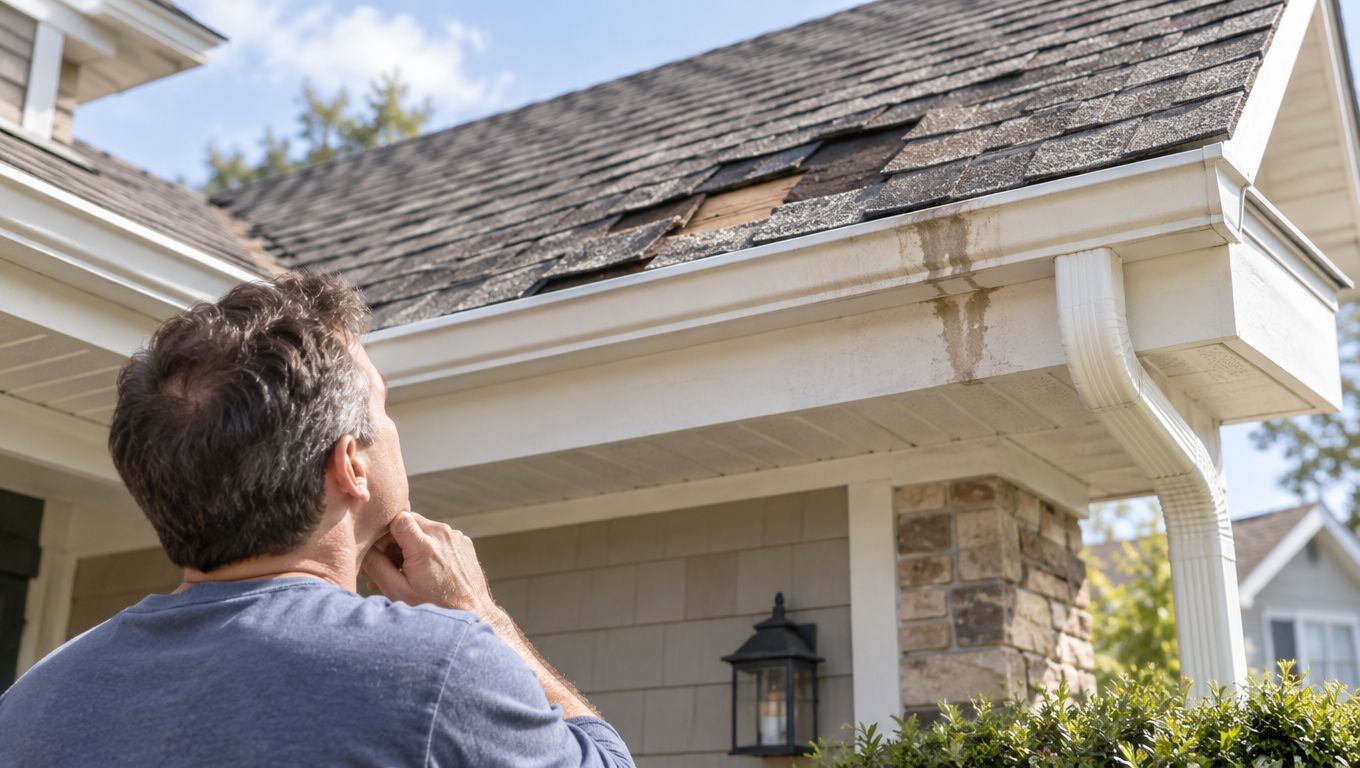
Warning signs that deserve attention
- Granules in the gutters: A small amount can result from normal wear, but heavy or recurring granule loss leaves shingle surfaces less able to protect the roof deck. It becomes more concerning when you also see bald patches, curling, or brittle tabs.
- A sagging area: Sagging isn't a cosmetic issue. It may indicate weakened decking, trapped moisture, framing trouble, or prolonged water intrusion. Keep people away from the area below and arrange an inspection promptly.
- Daylight through the roof deck: Light in the attic can reveal a gap, failed flashing, or a hole in the roof assembly. Water may not be entering during every storm, but the opening still needs professional evaluation.
- Repeated repairs: A repair can make good sense when damage is isolated and the surrounding shingles remain sound. If leaks keep returning in different locations, patching may only postpone a replacement decision while labor and interior damage accumulate.
A missing shingle after one storm doesn't automatically mean the whole roof has failed. On the other hand, recurring leaks, widespread granule loss, soft decking, and structural sagging point beyond a simple patch. For a storm-related inspection, this hail damage roof inspection guide offers a useful checklist of areas homeowners often overlook.
The repair-versus-replacement decision also depends on the roof's age, prior work, ventilation, flashing, and the condition of the underlayment. A contractor should explain those findings with photographs and a written recommendation, not use a storm scare to push an immediate contract. Homeowners comparing options can also review this roof replacement versus repair guide before approving work.
What Roof Replacement Actually Costs in 2026
The $17,631 U.S. average is a starting point, not a promise for a Tyler home. Survey data shows that about 67% of homeowners spent between $5,000 and $20,000, and nearly 59% paid $10,000 or more for replacement. Those figures come from the 2026 roofing cost report, which also identifies roof size, material, and region as major pricing influences.
A quote can move sharply when the contractor measures the actual roof surface instead of using the home's living area. Pitch, valleys, dormers, roof height, access for tear-off, disposal, and the number of existing layers all affect labor. Two homes with similar floor plans may have very different roof areas and installation difficulty.
Roof replacement cost ranges
| Price Band | Percentage of Homeowners | Common Scenarios |
|---|---|---|
| $5,000 to $20,000 | About 67% | A broad range of residential replacements, depending on size, material, region, and scope |
| $10,000 or more | Nearly 59% | Larger, more complex, older, or higher-material-cost projects |
| Around $17,631 | U.S. residential average | A national benchmark, not a guaranteed local estimate |
The hidden cost usually appears after the old roof comes off. A contractor may find deteriorated decking, damaged flashing, inadequate ventilation, missing edge protection, or a need to bring portions of the assembly up to current code. Those items aren't always visible from the driveway, so a responsible proposal should explain whether they're included, excluded, or billed only after photographic approval.
Practical rule: A low quote is useful only when it describes the same scope as the other quotes. Compare tear-off, underlayment, flashing, ventilation, decking allowances, permits, cleanup, and warranty terms before comparing totals.
Regional risk also matters. East Texas roofs must handle intense sun, heavy rain, humidity, wind, and storm events. A contractor who documents storm damage, explains insurance responsibilities, and identifies code upgrades gives you a more useful price than someone who provides a fast number with no inspection notes. For a more detailed local cost discussion, review this average roof replacement cost guide.
Asphalt Shingles, Metal, and Tile: Materials Compared
Material choice affects more than curb appeal. It changes the installation method, upfront budget, maintenance needs, roof weight, flashing details, and the difficulty of future repairs. Surveyed homeowners selected asphalt shingles for 47% of replacements, followed by metal at 13% and concrete tile at 10%, according to the 2026 roofing cost report. Asphalt remains common because it is widely available, familiar to local crews, and offered in many styles.
Asphalt shingles are usually the most practical choice for a standard residential replacement. Architectural shingles generally last 20 to 30 years when the roof system is installed correctly and receives reasonable maintenance. They suit many roof designs, allow repairs by section, and usually keep installation logistics straightforward. Their trade-off is faster wear from intense sun, repeated storms, poor ventilation, and exposed roof conditions.
Metal roofing can provide a clean appearance and a longer service life. Standing-seam systems commonly last 40 to 70 years, but the result depends heavily on panel quality, coatings, fasteners, and detailing. Valleys, penetrations, transitions, and wall connections require experienced installation. Rain can also sound louder inside if the roof assembly lacks adequate sound control, so evaluate the complete system rather than the panels alone.
Concrete tile can last 50 years or more and suits homes designed for a heavier, more substantial roof surface. Its weight may require a structural review, particularly when replacing a lighter existing material. Broken tiles can be difficult to match, and repairs require careful access. Roof pitch, flashing, supporting structure, and maintenance access determine whether tile is appropriate for an East Texas home. Product choice and installation conditions still affect the actual service life. The NRCA roofing guidelines provide relevant trade guidance.

Roofing material comparison
| Material | Popular Choice Share | Typical Lifespan | Best For |
|---|---|---|---|
| Asphalt shingles | 47% | 20 to 30 years | Broad residential use and controlled replacement budgets |
| Metal roofing | 13% | 40 to 70 years | Homeowners seeking a different finish and a long-service roof system |
| Concrete tile | 10% | 50 years or more | Homes whose design and structure suit a heavier tile roof |
Slope also affects the layers beneath the visible material. Asphalt shingles commonly use one layer of No. 15 asphalt-saturated underlayment at 4:12 and steeper slopes. Slopes between 2:12 and 4:12 commonly require two layers, with the second offset to improve water shedding. Low-slope shingle roofs need careful detailing because underlayment becomes an important secondary drainage plane when wind-driven rain reaches beneath the shingles.
How the Contractor Process Actually Unfolds
A professional replacement is a sequence of decisions, not just an installation date. The contractor first needs to understand the symptoms, inspect the roof and attic where accessible, measure the roof, identify drainage and flashing conditions, and determine whether storm damage or ordinary aging is involved.
Start with the inspection and written scope
During the onsite estimate, ask the contractor to identify the number of existing roof layers, decking concerns, ventilation, pipe boots, wall and chimney flashing, valleys, drip edge, and cleanup plan. A proposal that only names a shingle brand and a total price leaves too many important details unresolved.
If insurance may be involved, notify the carrier according to the policy process and keep the contractor's photographs, notes, and estimate organized. The insurer decides coverage. The roofer can document visible conditions and attend an inspection, but shouldn't promise claim approval or tell you to misrepresent ordinary wear as storm damage.
Resolve permits and code items early
Permit requirements and inspection procedures vary by jurisdiction. Ask who will pull the permit, whether permit fees are included, and how the contractor handles corrections if an inspector identifies a problem. Skipping that conversation can create delays, resale complications, or an uncomfortable dispute over responsibility.
Scheduling depends on material availability, weather, crew capacity, insurance timing, and the amount of work discovered during inspection. Recent homeowner survey coverage says 65% of homeowners are more likely to call roofers who publish pricing, 66% want three quotes, and many expect work to begin within days of accepting a quote. The same coverage notes that insurers increasingly request inspections on homes older than 15 years, while median roof age exceeded 17 years in 2025. The 2026 homeowner roofing journey explains why inspection and quote timing can affect the start date.
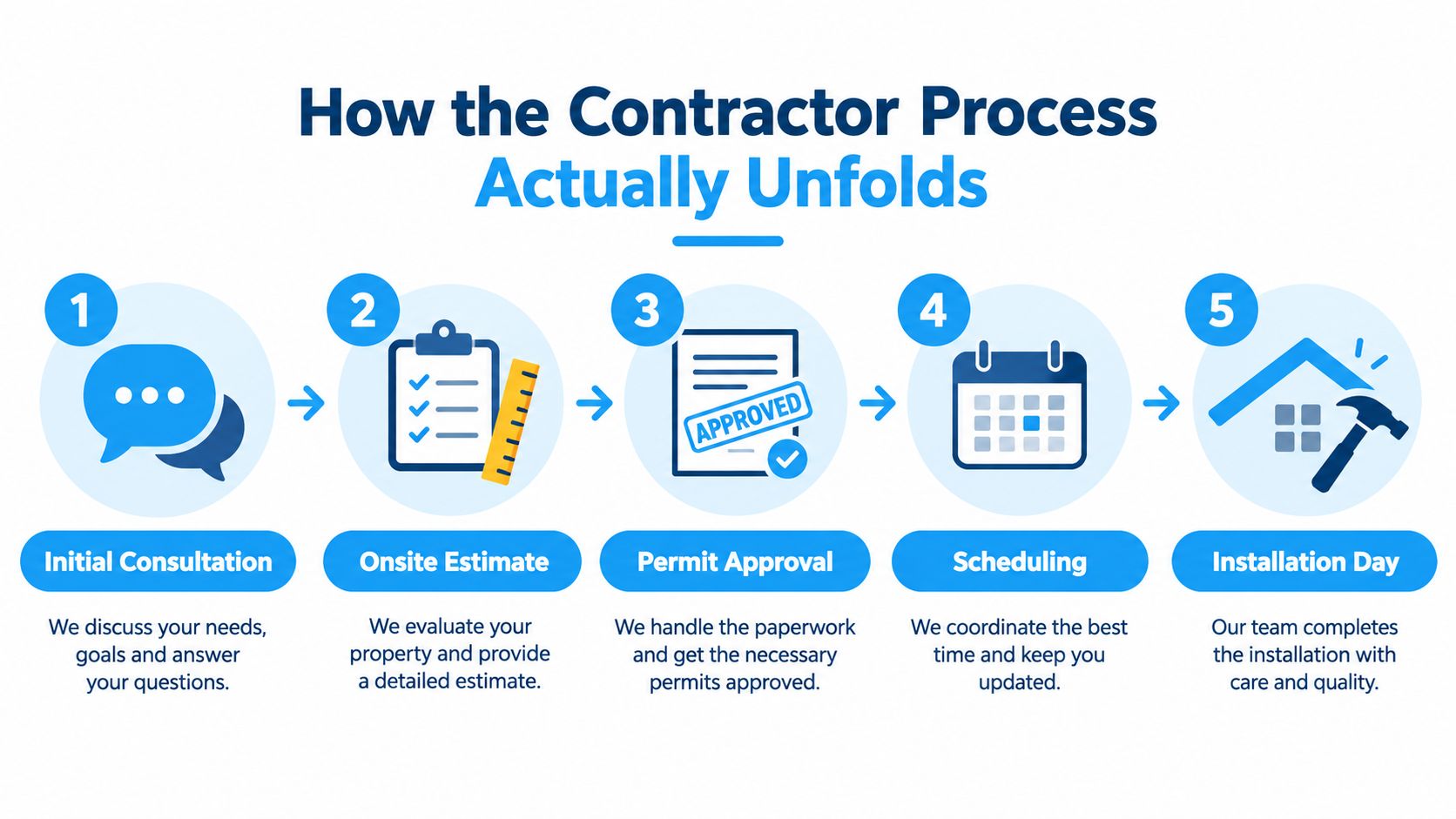
Know what installation day involves
The crew protects landscaping and access areas, removes the old roofing, checks the deck, installs the specified water-shedding layers and flashing, and places the new material according to the manufacturer's requirements. Weather can interrupt that sequence, especially if rain makes the deck unsafe or prevents proper installation.
Before final payment, walk the property with the project manager. Confirm that debris has been removed, fasteners have been collected, exposed flashing has been addressed, vents and pipe boots are finished, and the final documentation includes warranty information and any approved change orders.
Why Quote Transparency Changes Everything
Two similar homes can receive different replacement prices without either contractor acting improperly. One roof may have more valleys, a steeper pitch, additional layers, poor access, or damaged decking. Another may require code-related upgrades or more detailed flashing around walls and penetrations.
The actual problem starts when a contractor hides those variables behind a single attractive number. Independent 2025 to 2026 data places the average U.S. residential replacement cost at $17,631, while roughly one-third of homeowners cite unclear or unexpected costs as their biggest pain point. Verisk's U.S. roofing realities report documents that cost uncertainty.
What a transparent quote should show
Look for a written scope that names the roofing product, removal work, underlayment, flashing, ventilation, decking treatment, permits, disposal, cleanup, payment schedule, and workmanship warranty. If an item can't be confirmed until tear-off, the proposal should state the unit price or approval process before the work proceeds.
A good change-order process protects both sides. The contractor photographs concealed damage, explains why the added work is necessary, and gets your approval before installing extra materials. You should never learn about a major cost increase only when the invoice arrives.
Financing can make a necessary project easier to schedule, but compare the total repayment obligation, interest, fees, and payment timing. Insurance can also affect the schedule. A carrier inspection, claim documentation, supplemental estimate, or coverage decision may take longer than the physical installation, so ask the roofer which steps are under their control and which depend on someone else.
Ask this before signing: “What could change this price after tear-off, and exactly how will you document and approve it?”
The fastest contractor isn't automatically the right choice. A crew that starts immediately but leaves out permits, flashing, ventilation, or cleanup may cost more through later repairs. A contractor who gives a realistic scope and explains dependencies helps you move quickly without accepting an undefined contract.
How to Choose a Licensed Local Roofing Contractor
A local contractor should be able to show more than a truck, a website, and a low starting price. Verify the business identity, required licensing, general liability coverage, workers' compensation coverage where applicable, physical contact information, and a clear process for warranty service.

Review credentials and responsibility
Ask who will supervise the crew, who pulls permits, who handles insurance documentation, and who responds if a leak appears after completion. Manufacturer credentials can show that a contractor has met a particular program's requirements, but they don't replace your review of insurance, contract terms, references, and local standing.
Call references for projects similar to yours. Ask whether the final price matched the approved scope, whether the crew protected the property, how change orders were handled, and whether the contractor returned calls after installation. A recent project can show workmanship, while an older project can reveal how the company handles maintenance and warranty questions over time.
Use a practical checklist when comparing proposals:
- Scope: Confirm tear-off, layers, underlayment, flashing, ventilation, decking allowances, edge details, cleanup, and disposal.
- Materials: Identify the exact shingle, metal panel, tile product, accessories, colors, and manufacturer requirements.
- Schedule: Ask what must happen before work begins, what weather can delay, and who communicates changes.
- Payment: Understand deposits, progress payments, financing terms, retainage if applicable, and the point at which payment becomes due.
- Warranty: Separate the manufacturer's product warranty from the contractor's workmanship warranty, and ask how to request service.
- Insurance: Require honest documentation and avoid anyone who promises claim approval or tells you to falsify damage.
This guide on how to avoid roofing contractor scams is useful when a storm brings unfamiliar companies into the area. Pressure to sign immediately, vague paperwork, requests for unusual cash payments, or a quote that omits essential work should make you pause.
Before the contract is signed, use a focused list of questions to ask roofing contractors and write down the answers. The goal isn't to find the longest proposal. It's to find the contractor whose proposal gives you enough detail to understand the work and enough accountability to resolve problems.
Your Next Steps Toward a Stress Free Replacement
Begin with evidence and a clear scope. Photograph visible damage from the ground, record interior stains, and note when leaks appear after rain. Do not climb onto a roof with potentially weakened decking. Ask for an inspection that separates isolated storm damage from broader wear, and request dated photos with the written findings.
Compare proposals line by line. Two similar homes can receive different totals because one needs code upgrades, decking work, ventilation changes, or more complex flashing. Check whether the quote includes tear-off, permits, disposal, and cleanup. Ask how hidden conditions will be priced and require written approval before extra work begins.
A practical pre-consultation checklist
- Inspection evidence: Request dated photographs and a clear explanation of the findings.
- Scope details: Confirm removal, underlayment, flashing, ventilation, decking, installation, disposal, and cleanup.
- Code upgrades: Ask which current requirements apply and whether they are included in the price.
- Schedule: Identify required inspections, weather delays, material lead times, and who will provide updates.
- Payment: Review deposits, progress payments, financing terms, and when the final payment is due.
- Warranty coverage: Get separate product and workmanship warranty terms in writing, including the service process.
- Insurance boundaries: Confirm what the contractor will document. Your carrier decides coverage, not the roofer.
- Communication: Name the project manager and define how change orders will be handled.
- Local accountability: Verify licensing, insurance, references, contact information, and service support.
Storm claims require organized records. Keep photos, dates, temporary repair receipts, inspection reports, and conversations with the carrier. Insurance rules depend on the policy and location, so general guidance cannot determine coverage. Homeowners with claim questions can review North Carolina roof claim help, while confirming the process that applies to their own policy.
Insurance inspection timing can affect the schedule. Ask whether the carrier must inspect before repairs, how temporary protection should be documented, and what happens if the inspection delays ordering materials.
For Tyler and East Texas homeowners, a workable plan rests on an honest inspection, an itemized quote, and a contractor who explains controllable and uncertain parts of the timeline. Home Pro's Remodeling & Repairs provides roof replacement, inspections, onsite estimates, financing options, and exterior remodeling services across Tyler and East Texas. Visit Home Pro's Remodeling & Repairs to request an estimate and discuss the roof's condition, scope, and expected timeline.